Juliet San Nicolas de Bradley
Welcome to Call and Response, the project where we hear the stories of women and their call to holy orders. I am joined today by Tracey. Tracey, do you want to introduce yourself?
Tracey
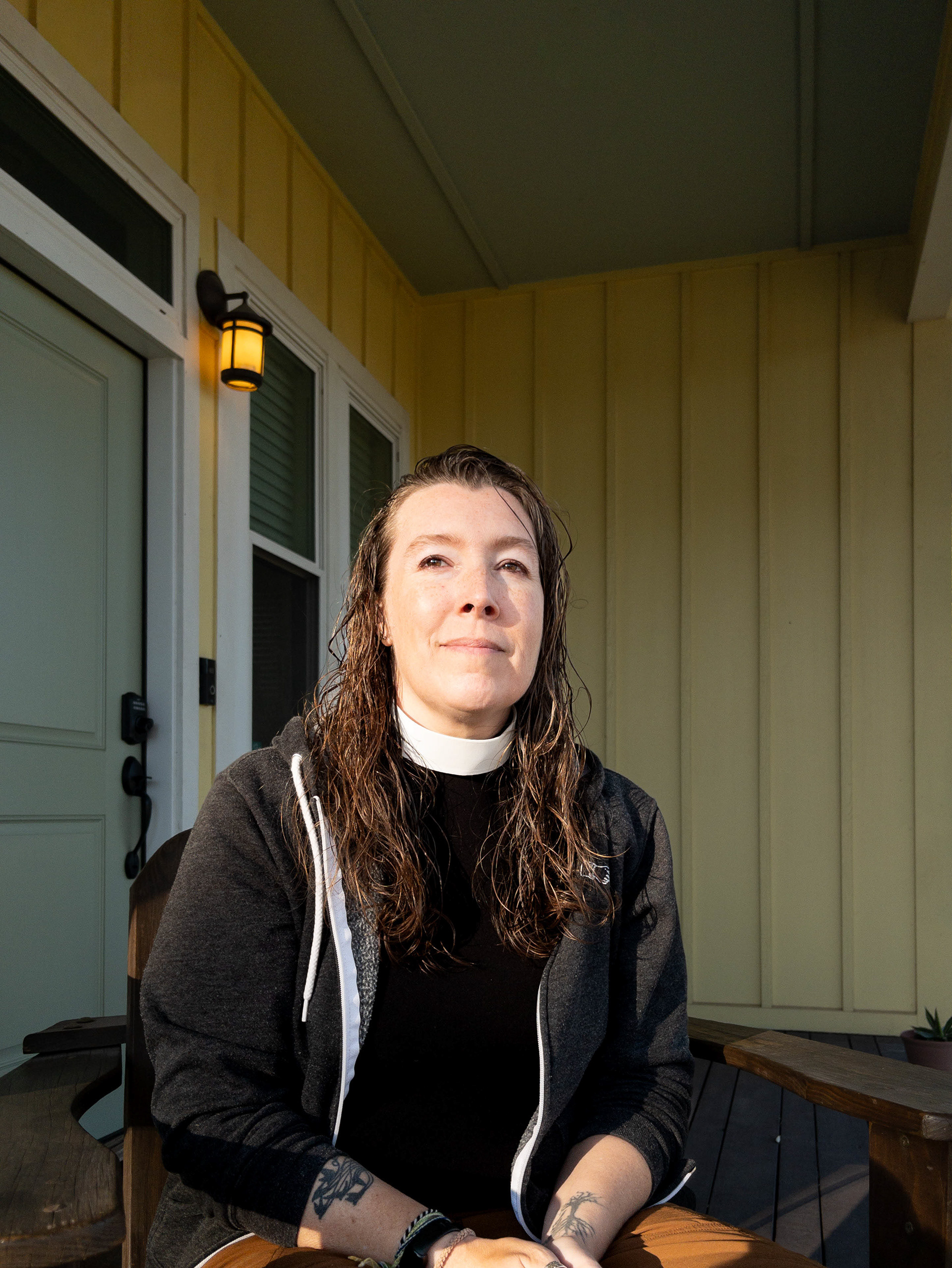
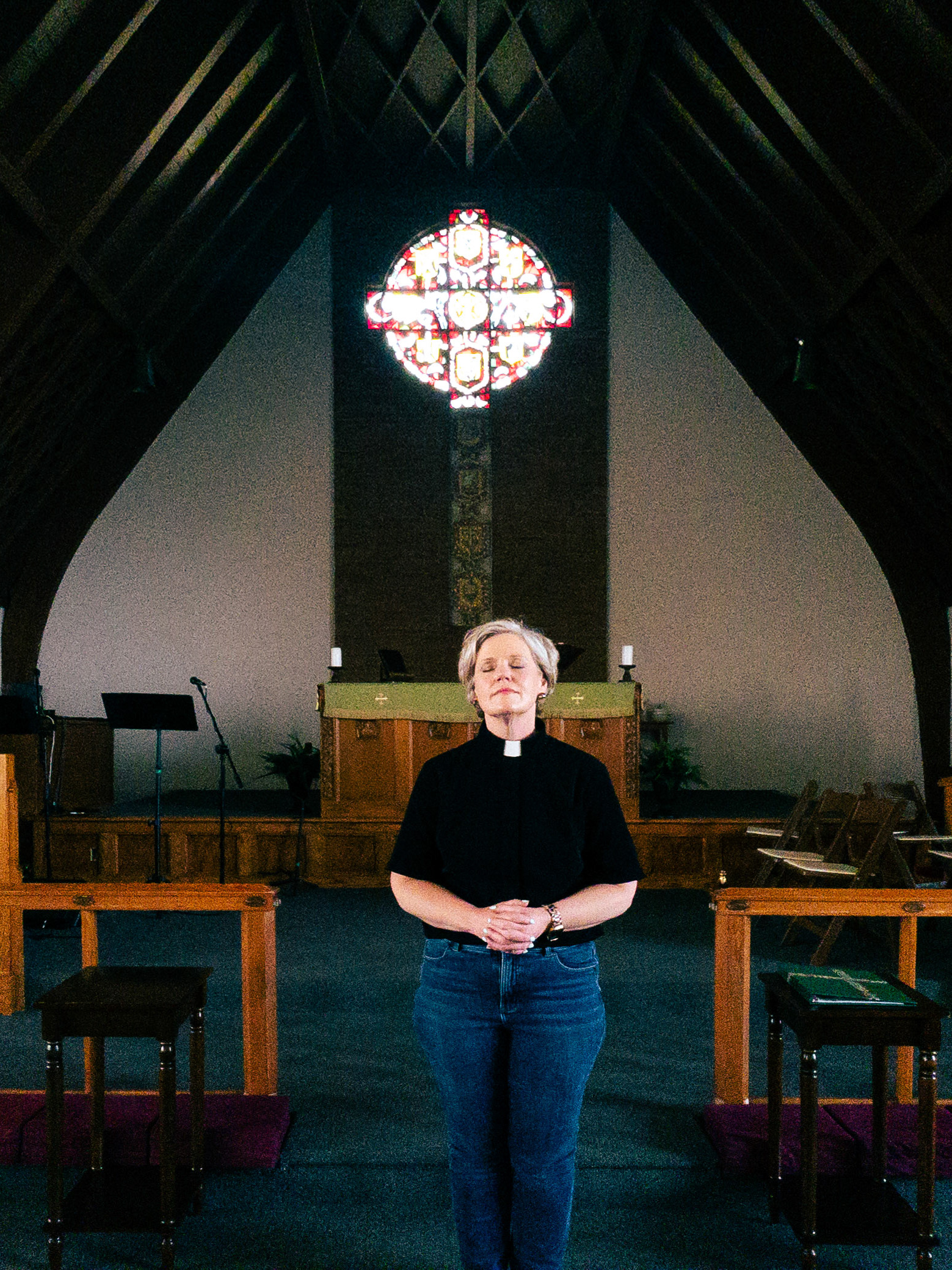
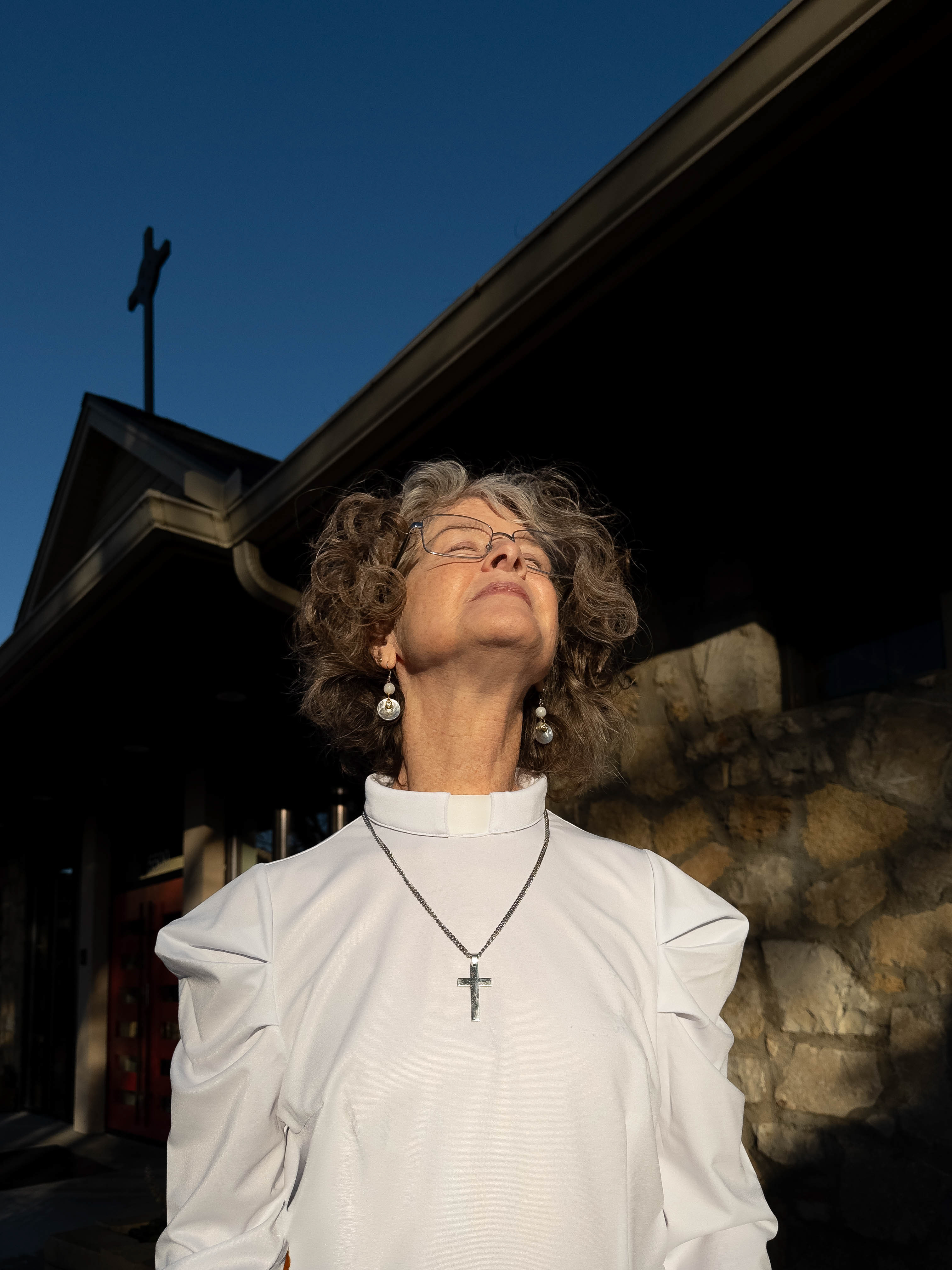
My name is Tracey. I am a co rector and a priest, obviously. I have been doing ministry for over twenty years. I've been ordained for fifteen. I started in youth ministry, which is still a great love of mine, and became a co rector alongside my husband almost seven years ago now.
And I'm also the mother of five wonderful adult children and a daughter in law and I had my f got to have my first grandson last year. So I have one grandson as well.
Juliet San Nicolas de Bradley
Congratulations, that's so exciting. All right, well we will jump straight into it. with that first question. What is the story of your call to ministry, Tracey?
Tracey
So I think my story started when I was just a girl. I grew up in the Catholic Church and we were a very active family. And at age fifteen, I took classes and became a licensed lay reader in the Catholic Church. And I remember this, once a father and his young daughter came up to me after Mass and he thanked me for being a reader, and he said it meant so much to his little daughter.
And that story stuck with me. But once I remember being, you know, behind the scenes before mass started, and we were laughing because all of the lay Eucharistic ministers and the worship leader and me as the lay reader, we were all female, but of course the priest in the Catholic Church was a man. And we laughed about it, but it hit me then that it would always be that way. That in the Catholic Church, it would never be an all female team. After a family crisis, I wandered away from the church. You know, like so many. But then through the ministry of my husband and his family, came back to the Lord, especially through the Alpha program.
So his family were always wonderful Christian people and were very loving and accepting towards me, even though I wasn't a Christian when we got married. But then through the Alpha program, I was brought back to the Lord. And then my husband and I started doing all different kinds of Alpha ministry together, which was a great joy. We did youth Alpha, we did adult Alpha, we did prison Alpha, and we really enjoyed ministering together. And he started thinking about holy orders.
And I was excited for him and really supportive. But he started the process up north where we used to live. And as he started going through the process, I started thinking about it, you know, like, huh, wouldn't it be neat if we could both continue to do this ministry that we're doing together? And I thought, but you know, I'm just called to be a pastor's wife, not to be a priest myself.
But then one day, we had this little house up north that we were living in with our three kids at the time. And I was cooking dinner and I had this really strong thought come into my mind that God was calling me to be a priest. And I thought, this is silly. How can I do that? You know, I have three young children, Jamie's already in the process. So I kind of just dismissed the idea and thought, well, this is just because I want to keep doing ministry with him. You know, it's been so great.
But then I had this really dramatic dream where I saw myself being ordained. And so after that, I thought, well, I should talk to my husband about this. So I did, and he thought it was a great idea. He thought this would be wonderful. We can continue doing all this ministry together. He was really supportive. And I said, but you know, I'm really not sure. So let's just you and I pray about this. He said, “That's a great idea. You and I'll pray about this.” So we didn't tell anyone about these ideas.
But then one day we got a call. The priest that we were doing alpha with was named Reverend Susan. And she called us because we were about to go get trained to do prison Alpha. And she said, “Hey, listen, after training, I need to talk to you guys. Can you stay?” And we said, “Sure.”
So after training for prison Alpha, she brought us into the chapel and said that she had been praying - she'd been really supportive of Jamie's process, my husband's process - and she said she had been praying. And as she was praying for Jamie and his process, she had a profound experience of the Holy Spirit. And then she turned and looked at me and she said, “Tracy, I believe the Lord is calling you to be ordained alongside your husband.”
And I burst out crying and she said, “My goodness, you know, what's happening?” And we told her that I had had this dream and had this feeling that I was being called, but I was so unsure, and that I had asked the Lord to really show me what he wanted of me. And here He was answering that you know, plea, that's Gideon's plea. And she was very excited and we were very excited. And then we started on the road.
We ended up leaving the diocese we were in and coming to the diocese we're in now for our process. And we came here in 2002. And so we went through seminary together, we were ordained together, we've always ministered together in different roles, sometimes in the same church but in two different roles.
And then as I said about seven years ago, in September it'll be seven years, we were called to be co-rectors at the parish we're at now.
Juliet San Nicolas de Bradley
I have yet to make it through one of these interviews without crying. But thank you for sharing. What beautiful clarity that the Holy Spirit gave you both.
Tracey
The Lord's been so good to me in that because the fact that I have this very clear call has really helped me in those times where I felt unsure. You know, at times I would my gosh, am I really supposed to be doing this? And then I'd think back to that story and be like, Nope, the Lord was very clear. He was very merciful to me and gave me a very clear call. So it's it's it really has been a mercy.
Juliet San Nicolas de Bradley
Yes. No, I resonate so much with parts of your story. My husband is a priest. He's been a priest for about thirteen years now. But he was ordained and we were married in the diocese that didn't ordain women to the priesthood. But we started thinking about ministry. What would it look like for us to minister together? He was a rector here in town and I was like, I think I'm called to holy orders. And then I started praying and I had a dream, and I felt a bishop's hands on my head ordaining me to the priesthood. And I was not convinced that women should be priests at that point. And I woke up like I was like, what is this? I just did this intense, you know, journey of praying and seeking. and I was ordained to the diaconate last year. And once I finish this MDiv, which will be a little bit of time, that's okay. I'll be ordained to the priesthood.
Tracey
Yes. Yes, it took me seven years to get my MDiv.
Juliet San Nicolas de Bradley
That's so helpful to hear because it's the same thing. I have children at home and I work full time. And also my husband is a priest, so it's beautiful that like the ministry that we get to do, you know, that needs a priest, he is there and then when it's my turn, it will come.
Thank you for sharing. That does lead right into that next question. What struggles and barriers have you encountered during your journey to ordination or since being ordained?
Tracey
So one of the big struggles when we were ordained fifteen years ago or so it was not common for couples in the Anglican, you know, milieu that we were in, to be ordained together. And throughout my process of discernment with the diocese - and this is a diocese that is accepting of women as priests, you know, supportive. They kept asking me, “Well, why do you feel you need to be ordained if Jamie is going to be ordained?” If my husband was going to be ordained. I was repeatedly asked that question. And at one of the later Commission on Ministry meetings, someone asked me that question again. And I said, “I'm tired of answering this question, especially because nobody has asked my husband that.” And so it was hard because people kept treating my call as being less valid than my husband's. And that was really frustrating.
I was even asked that question at canonical exams. And I shut it down immediately and said that's an inappropriate thing to ask me right now. So that was frustrating. The other thing that kept happening during the discernment process, and then you know, after I was already a postulant and, you know, just on the road to ordination in seminary, we had two more children while we were in seminary. So we have five altogether, as I said. And people kept saying to me, “Well, why don't you just stop and let Jamie move on, let my husband move on, and you know, let him get ordained, and then you'll just, you know, later on, you can get ordained later. But you know, you guys are so busy with five kids and trying to be in seminary and my husband working.” But again, nobody ever said that to my husband. It was always me that was supposed to slow down my process or stop my process and let him go ahead. So it was very frustrating constantly being treated as if my call was less valid and less important.
And the answer I kept giving people was, “I need to obey what the Lord is asking me to do.” I am trying to be obedient to a very clear call that the Lord has put in my life. So that's why no,we're both taking seven years to get our MDiv. We're you know, we're doing this together. I was blessed and thankful to have a husband who felt the same way that my call was as valid as his. And so he was happy for us to go through this process slowly. So those were two struggles I had on the road to ordination.
So being an ordained woman is a great blessing. Is it okay if I tell a blessing story? Okay. So this is my favorite, this is my favorite story about being an ordained woman. So before I heard the call to the priesthood and started seminary, I was actually studying to be a midwife. So I have been with dozens and dozens of women as they're giving birth. And so when I came, when we moved here, I continued that work, just kind of casually. You know, friends would ask me to be with them and such. So a really good friend of mine asked me to be with her when she had her daughter, which was fabulous. So I was there and you know, coaching her and helping her. So I was right there when her little daughter was born.
Well, then she was a part of our church, so she asked me to baptize her daughter. And so I got to see her daughter being born. And then I got to see her daughter being reborn through the waters of baptism. And it was such a special thing because as I was baptizing this little girl - she knows me very well, obviously. And I'm pouring water over her head and she's not crying at all, she's just looking up at me and smiling, you know. But it was so precious because that's such a female space - birth. So for me to be able to be there when she was born and to be able to baptize her was just, I thought, this is something that's really special to being an ordained woman, to be able to do those two things together.
So it's also really hard sometimes. You know, there's the little things that seem kind of silly, but because they happen over and over again, they can be upsetting, like here in this little town that we're in. people just assume that I'm the pastor's wife, not that I'm the co-rector. Yeah, it happens a lot.
But on a more serious end, I have had people get up and walk out when they see that I'm celebrating. And that's painful. We've also had people, people that we had been ministering to, who decided not to become part of our church community because I'm here, because I'm a female and I'm a priest, which is also really painful. We have colleagues that do not believe in women's ordination to the priesthood and certainly don't believe that a woman should be a rector. And I have to work with these colleagues. I am on committees with these colleagues. I am doing clergy conference with these colleagues. And I don't think some people realize how difficult it can be, to be in those spaces with people who just think my whole vocation is a fraud. It can be really painful just to know that they think it's not valid for me to be there, that my vocation isn't from God. Not that they're outright rude or disrespectful or anything, but just it's hard. You know, it's hard enough to be a priest, but then to just have people dismiss you out of hand simply because you're female. It's painful.
Juliet San Nicolas de Bradley
Yes, thank you for sharing that. I think I've been having a lot of conversations about the idea of dual integrities within the ACNA and thinking through that. No one is perfect, but in the ideal world of dual integrity, it means that we disagree on a subject, right? We disagree about this, not that they completely dismiss us and our callings. To say that we are both trying to be faithful to God. We happen to disagree on a very significant piece of scripture, right? But my hope would be that a true dual integrity seems that we both see each other as trying to be faithful to God and God's call, but have a disagreement rather than we [ordained women] are less than because we are trying to be faithful to God and God's call upon us.
Tracey
And I certainly have had colleagues that treated me that way, that treated me as a sister in Christ and were respectful and loving. There were two professors in seminary who did that especially well. I really felt supported by them, even though I knew that they didn't, you know, think women's ordination was biblical. But they definitely treated me as loving brothers in Christ. I certainly have experienced that, but I've also experienced the opposite. You know, asking for something as simple as can we use inclusive language? Instead of using words like clergymen and people getting really angry with me.
Juliet San Nicolas de Bradley
I know. We laugh because it seems like it's such a small thing, but it really, it is a meaningful ask, right? You are ordained. And yeah, it's another one of those examples of something small, but that even that having to ask is painful and much more the reaction to something like that given all of both the the gifts and the struggles of being a woman who's ordained in ministry, what would you say to a woman who's thinking about ordination?
Tracey
If you are called to be ordained, if the Lord has made it clear to you, if your community has discerned with you that you are being called to ordination, nothing should stop you.
We need to hear God's call clearly, personally and in community, and we need to obey that call. And it really does come down to obedience. And there are other sisters in Christ in the ACNA that can support you and encourage you. But also, you know, that story I told before is just one example. There is great blessing in being an ordained woman. And I hear that a lot, especially from the women in my congregation. Many of the older women in my congregation have told me how wonderful it's been to have a woman to talk to about womanly concerns, you know, a woman priest, that they could never have talked to a man about these things. But also people sometimes have this idea that men won't be able to talk to a female priest, but I several times have had men come talk to me specifically and not my husband, even though he was available because they said they wanted to talk to a a woman who was a priest about something specific. So there is great blessing in it.
It is hard though and you have to rely on, you have to keep turning back to the Lord and remembering who you are in Christ as his beloved daughter and you cannot let any of the labels that other people throw at you stick. You just have to remember who you are in the core of your being and who God says you are.
Juliet San Nicolas de Bradley
Thank you. That advice is weighty and so good. Even for someone - I'm already ordained - but that is what I needed to hear this morning.
Tracey
There's a lot of labels that people want to throw at us and they don't even know us. They make assumptions.
Juliet San Nicolas de Bradley
I really love how you talked also that it is so important for women to have a woman priest, but it's also a gift to men, right? Just I think we're so accustomed to a model that both men and women go to a male priest. And there's also, there's a huge gift in that also, but that it's both, right? We believe in this because we believe God speaks uniquely through men and uniquely through women. And so the church needs to hear the gifts of both and the voices of both. And how beautiful that you get to do that alongside your husband also. Its own type of unique ministry.
Tracey
It is. It is unique. I know it, I know it is unique. And you know, it's just what we have been called to. I mean, I certainly don't think it's a requirement or anything, but yeah. But it is unique and nice to have someone in you know, right alongside me in my marriage who knows exactly what I'm going through, you know, as being a priest and being a rector and it's really special.
Juliet San Nicolas de Bradley
Well, thank you so much for sharing all of that, Tracy. To close out this interview, did you pick a favorite collect from the BCP?
Tracey
I did. It was funny because I was like, I should look through the BCP and look at the collects. And I was like, no, I know what my favorite collect is. Because it's the one I say all the time. So it's from morning prayer; it's a collect for mission. So should I just pray it?
Juliet San Nicolas de Bradley
Yes, please.
Tracey
The Lord be with you.
Juliet San Nicolas de Bradley
And with your spirit.
Tracey
Let us pray.
Lord Jesus Christ, you stretched out your arms of love on the hard wood of the cross, that everyone might come within the reach of your saving embrace. So clothe us in your spirit that we, reaching forth our hands in love, may bring those who do not know you to the knowledge and love of you for the honor of your name. Amen.