Juliet San Nicolas de Bradley
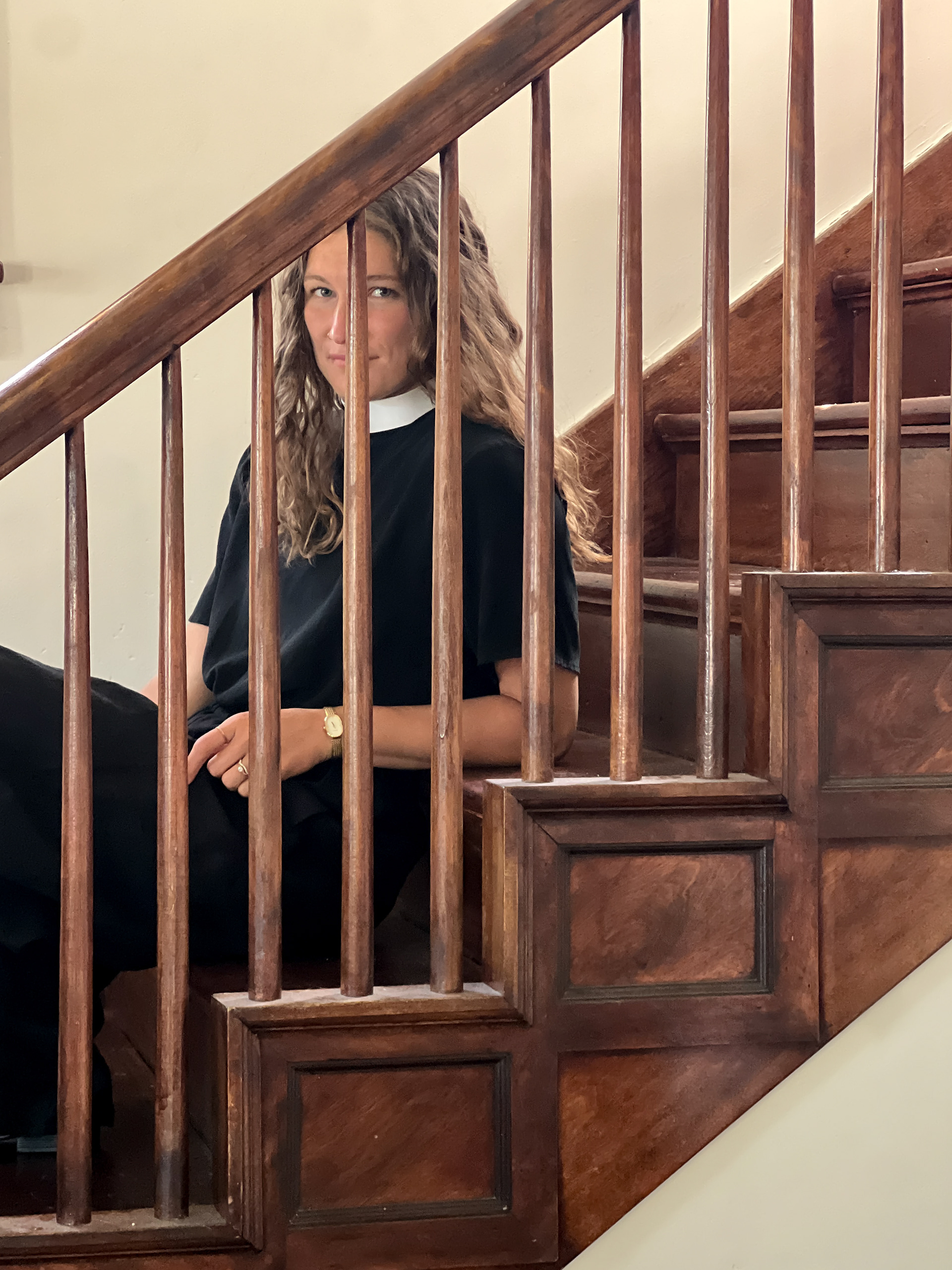
Hello everyone and welcome to Call and Response, the story telling project where we hear the stories of women and their call to ministry. Today I’m with Jess. Jess, will you introduce yourself?
Jess
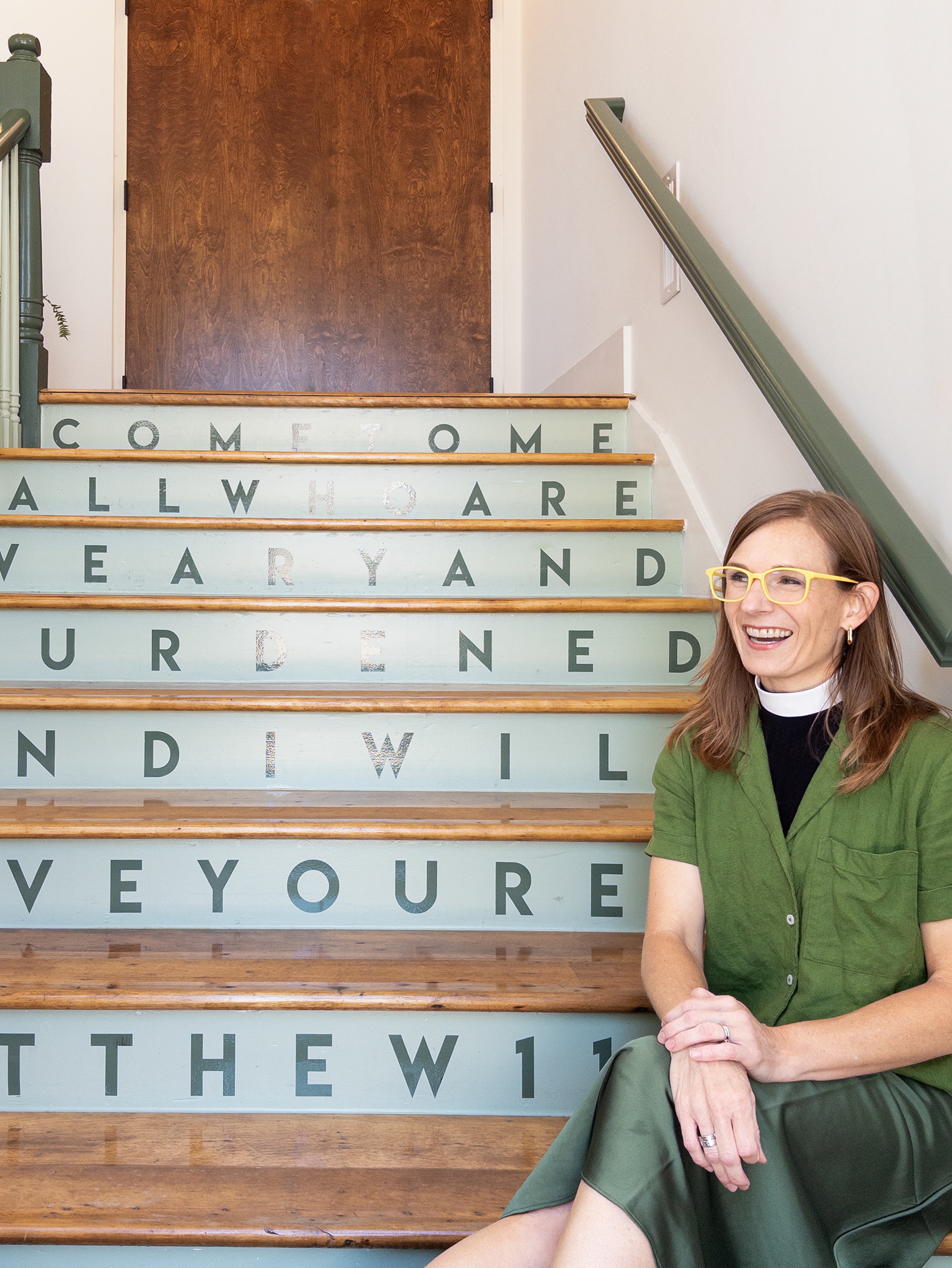
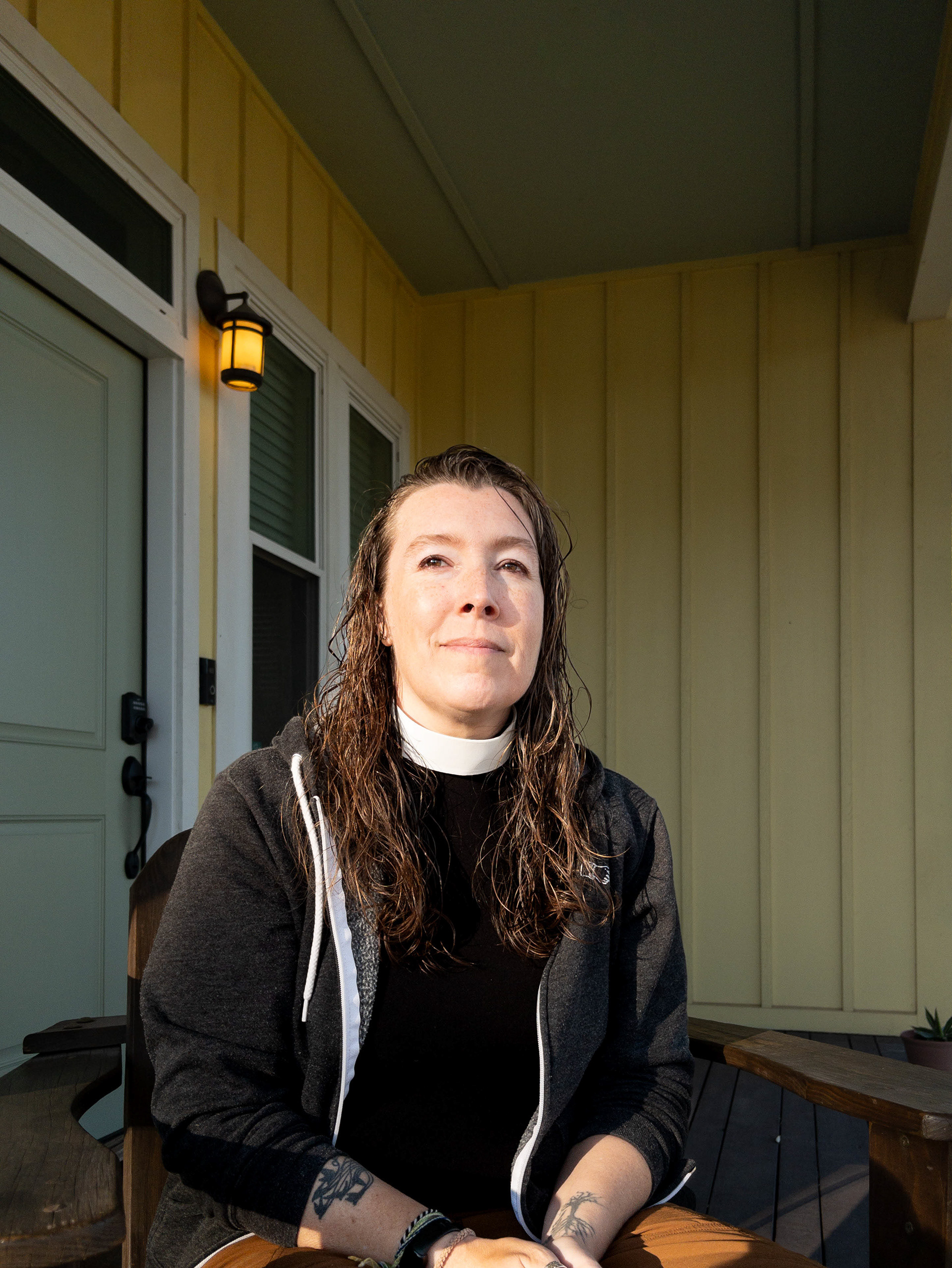
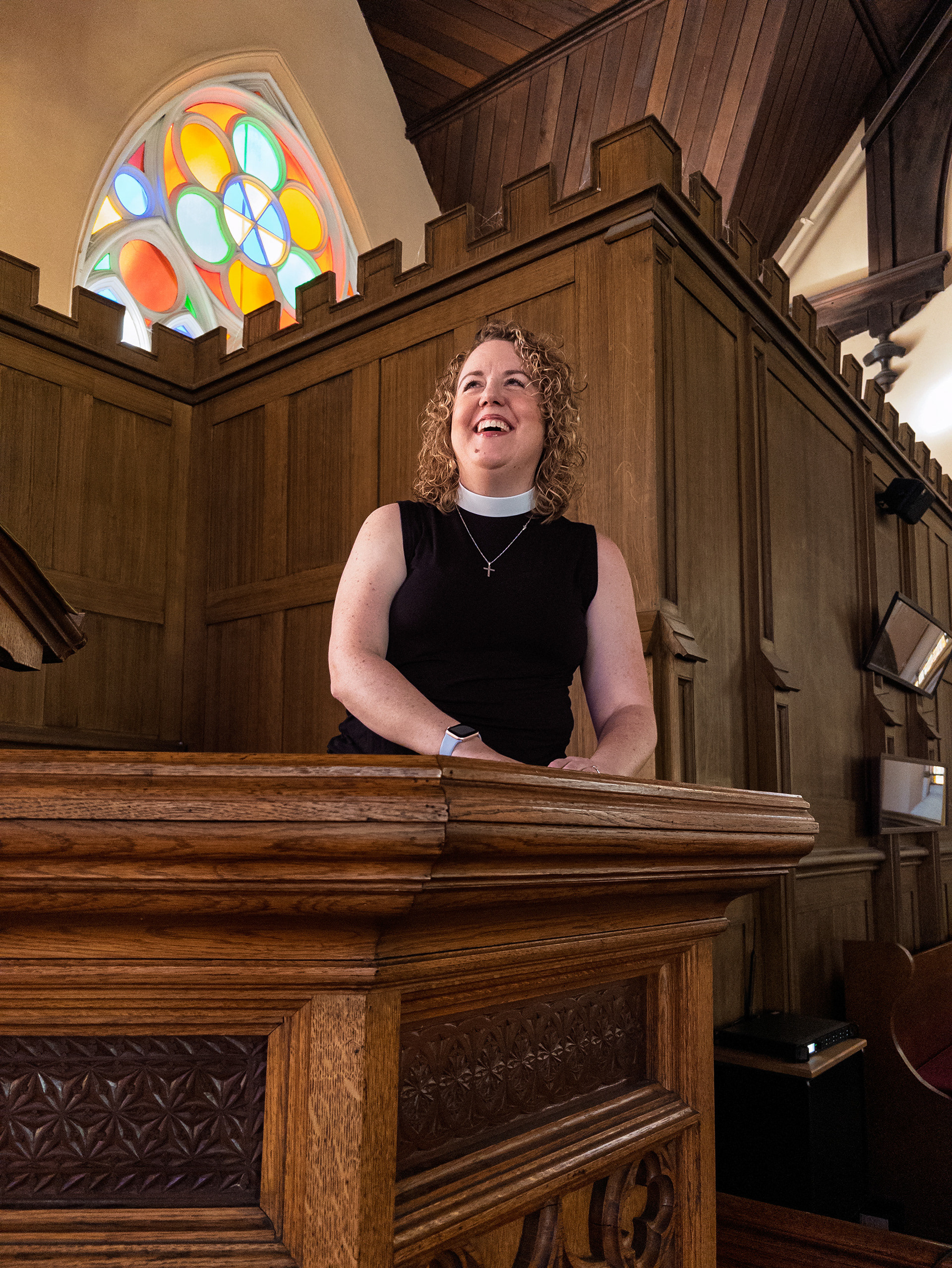
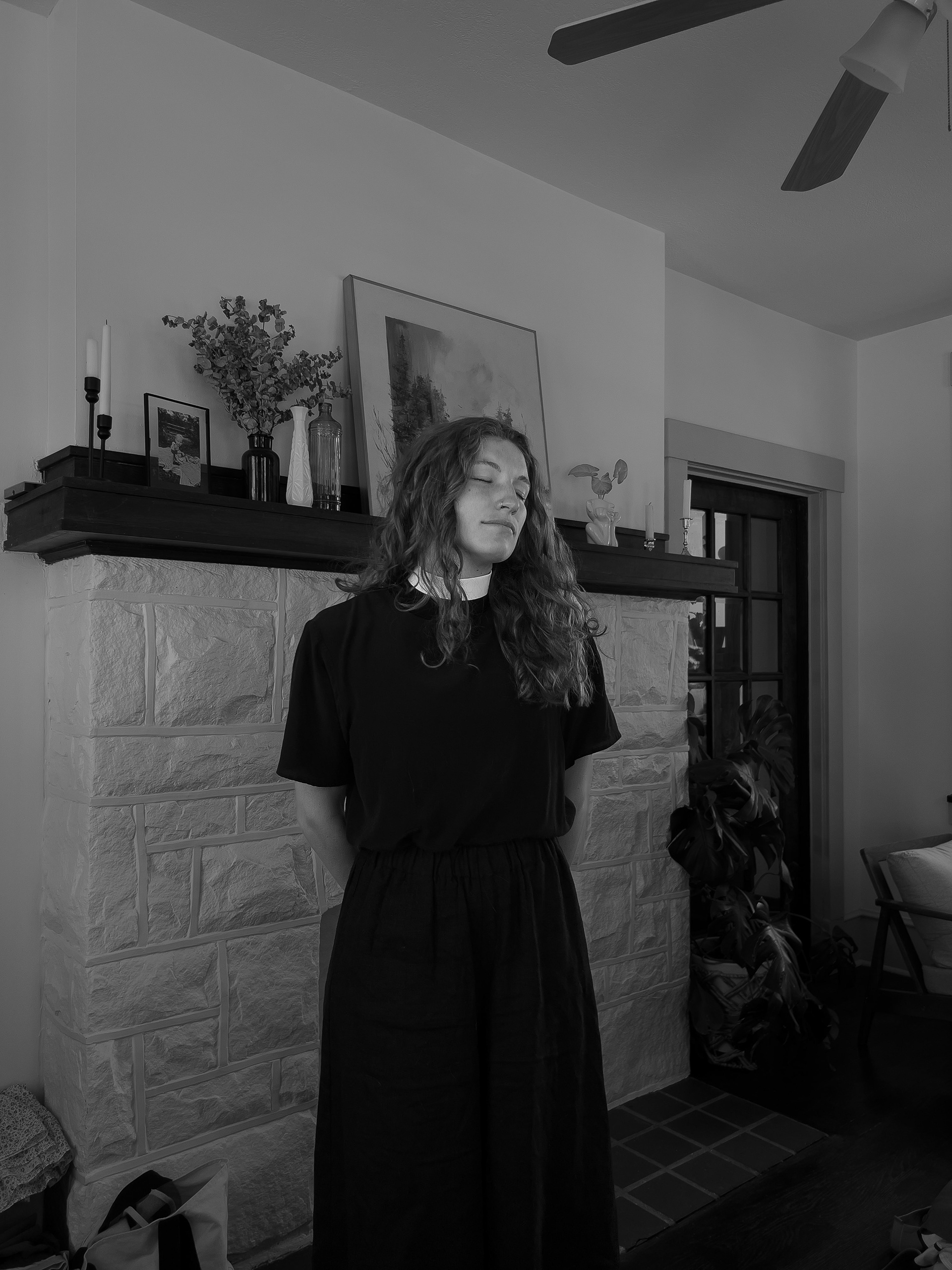
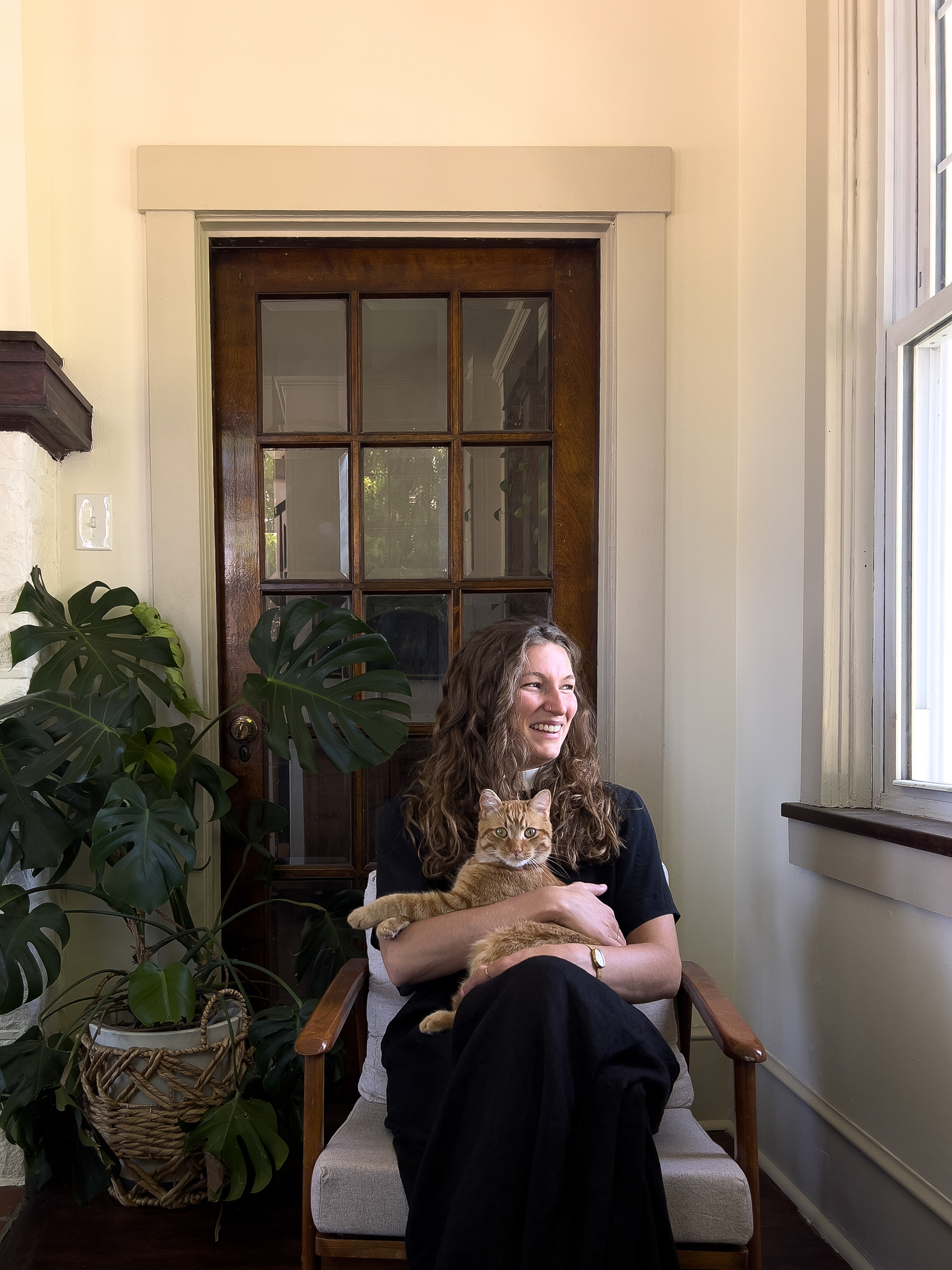
Hi, I'm Jess. I am a priest in the Anglican Church. I've been ordained to the priesthood for about three years, alongside my husband, which has been a really fun adventure. We have a full life. We have two kids and three cats, which is too many cats. I'm living in my hometown in an Anglican church context, which is new to me in adulthood. Yeah, I serve on the staff team of a pretty large church, which is a lot of fun. I get to do a lot of our hospitality and newcomer integration, that newcomer to membership pipeline of welcoming folks into the church, which has just been really, really fun and challenging because I am a deep introvert. it's, but I'm a friendly introvert. So that's a lot of fun. And I also lead the college age ministry at our church, which has just been a blast. They rag on me all the time for being a millennial. I have gray hair. I'm 32 or something like that and I have some gray hair and I never hear the end of it., I think that's all I would say for now.
Juliet San Nicolas de Bradley
I love that. We'll just jump straight into it. Would you tell us some of the story of your call to ministry?
Jess
Yes, I grew up in a family that was super involved in church. We did all the things, the Wednesday night kids club and the, you know, staying for two services on Sunday morning. Because we would all, even when I was in late elementary school, we would worship at one service and then serve or volunteer in some capacity in another service. And so I was surrounded by church, Christian culture from the get go.
Throughout my middle school and early high school years, I started to volunteer in the church nursery and in kids church and those kinds of things. But as I kind of got older in the youth group that I was really involved in, I started getting to participate more in leadership type things, particularly with worship team sort of things, which was a lot of fun. I took piano lessons all growing up and always hated it, but this was a fun way to use that.
And over the course of high school, the kind of worship leading or worship band kind of ministry I was involved in became increasingly more and more leadership type things where I was, in an evangelical kind of tradition, the worship leader is not just singing songs, you're functionally pastoring people through this kind of 20 minute experience and encounter with the Lord. I did not have the lens to see that as pastoring, but that was the stuff I really loved and felt good at and in my element, and felt blessed people. So I would do that and then small group leading and just all of those sorts of things that a student leader kind of person would do. I went on mission trips every summer with the church, kind of short-term mission things domestically or in Latin America that were really fun and made me feel alive in a way that I never had before, there was just something about that that I was so obsessed with. I would come home from one, and ask, “When's the next one?” I just loved getting to witness and participate in missions like that. The summer before college, we went on a short term mission trip in Ecuador and we were out in the jungle, there were these incredible missionaries that were building a mission school. And we got to just serve with them for a week. We did manual labor with machetes, which was fun. But it was mostly just a lot of seeing what they were doing and getting to pray and kind of be a part of it. And there were summer interns down there, you know, college students. And I was just, jaws on the floor, “You guys get to stay here all summer. That is the coolest thing I've ever heard.” And so I came home from that, and said, “I'm going to Ecuador next summer.” I was so locked in on that. I went to Moody Bible Institute for undergrad. And, looking back, full-time ministry was not a category that I was thinking of. I thought I would maybe be a worship leader at a church if I stayed in the States or go full-blown overseas missionary. Those were my two categories. And so I started as a music major at Moody and really hated it because I always hated piano lessons. Shocker. That was not the path that the Lord had for me.
And so I switched and became a missions major. I spent that summer in Ecuador and just absolutely thrived. I had multiple people affirm a call to ministry in my life, which was, in that context, a call to missions. And I thought, “OK, I'm all in.” I really loved it. I felt that this was the way that the Lord has wired me. I could live in that kind of context. And so I came back to Moody pretty fired up for missions and just thinking that that was the direction my life was going to go. I went through a really big crisis of faith that kind of lasted most of my time through undergrad. My experience at Moody - Moody's a very reformed kind of context - was the first time I encountered and reformed theology, actually, I just grew up in a regular evangelical sort of movement that just didn't speak with these real broad firm categories of God's sovereignty and predestination and all these kinds of things. And so I was encountering all of that for the first time. Also encountering having spent the summer in Ecuador and being involved in ministry in Chicago and just trying to reconcile a kind of a theology that would talk and say that Jesus didn't really die for everyone
There's a necessary amount of Jenga blocks getting rearranged when you're in college, right? Especially if you grew up in a Christian household. I think there are necessary things that need to be kind of unpacked and moved around. But it was one too many got pulled out for me and it felt as if the whole thing kind of fell down. And so most of my time at Moody was a mix of learning really rich theology and biblical theology that I was really excited about and also not knowing if I could trust God and if I wanted, if this picture of who God was that I was encountering in so many of these reformed contexts, if that's who God was, I was kind of fine with that, but leave me alone. I had oriented my life around the gospel and the kingdom and felt as if, if I'm not doing this, I don't know what life is about and who I am, but I don't know. Yeah, that just was a really, really rough season.
I had really, really kind and pastoral voices in my life. A few of them were Anglican, some in particular that I would attest, that are the reasons that I still am a Christian. And also sort of planted these seeds of the Anglican tradition. There's something robust and deep, with mystery and also calls you further up and further in. There was something there that I tasted that I thought, “This feels different than what I've gotten elsewhere.” All that to say, I still did not during any of that time sense or understand myself as having a call toward pastoral ministry. During that season, through hermeneutics classes and research papers, I came to a position where I thought, oh, hey, I think women need to be at the table and in church leadership in some way. But I didn't think that was supposed to be me. I didn't know if some women should be lead pastors or if they should just at least be on elder boards and you know, those sorts of things. I very much realize that I was experiencing in my personal life and growing in my theological maturity, realizing this is a place where the church is in error and people are getting hurt because of it. But again, that wasn't about me.
I was dating my now husband at the time and he wanted to be a pastor at his home church or a pastor in the States kind of thing. And he came from a tradition that was very reformed and very, very, complimentary. And he, Lord bless him, is a wonderful person. We grew in this alongside one another and we're having these conversations. But he always imagined himself as a pastor.
The whole time we were dating, I had this grief in my heart, “If I choose to be with you, does that mean I have to be a pastor's wife in Ohio?” And, you know, is that what I'm signing up for? Which obviously, to be the spouse of a pastor is its own unique calling. And I don't mean to be pejorative in any way. But for me, that was not it. I felt so clearly that that was not what I wanted for my life. So we, well, I kind of wrestled with that. I thought we would graduate and, or I wanted to graduate and get on the plane and fly to some country, somewhere else in the world and just never come home. And he wanted, you know, and so we had a very long road of through some pastoral voices in our lives, realizing that we actually were both really kind of locked in on the same goal of the kingdom of God and the gospel and needed to figure out the context. But what we wanted in life is not that different.
During all of this, I didn't have anybody looking at me, because of the context of Moody, there was nobody that looked at me that said, “Hey, maybe pastoral ministry is a thing you should consider.” Which as I look back, I'm just really grieved that Josh, my husband, has been kind of mentored for ministry since he was very young. He has so many leadership giftings and those things have been called out in him and he's been given opportunities to lead since he was very young. And I have sort of stumbled into it. And so some of just the trainings and experiences and things that he was getting, I've been catching up on.
This is a really long answer to your question. We ended up going to seminary here in Pittsburgh. And I was a year and a half into seminary and didn't think I was called to pastoral ministry. I just wanted to write a really good theological thesis. That's what I was excited about. And so I was actually, Josh was in an MDiv program. I was in a master of arts in religion program because I wanted to write a thesis and just study more Bible and theology. I didn't think I would use it.
And it was halfway through that season that we were also working as youth pastors. And but our positions weren’t as “pastors”, we were, you know, directors of something and some other kind of thing. And my husband started introducing himself to parents at the church as Pastor Josh, which we were in a tradition where the term pastor was more loose, it wasn't as explicitly tied to ordination. Right. But so he started introducing himself as Pastor Josh. And it was me, Josh and two other male pastors and the staff. And they both went by pastor because that was their actual title at the church. And I said to Josh, , you can't call yourself Pastor Josh. That's not what we're doing here. And he said, he was yes, I, yes, I am. He said,” I'm introducing myself to this kid's parents. I have discipled this kid. I am casting a vision for volunteers. I'm preaching. I'm doing all these things. I'm their kid's pastor.” And it was so I said, “Well, if You're Pastor Josh. I guess I have to be Pastor Jess.” Because it wasn't gonna be three male pastors and then Jess on this team, right? I knew enough to know that I was not okay with that. So I started calling myself Pastor Jess kind of against my will. But because I felt like I had to for women everywhere. And so it started as this thing that was almost I didn't totally believe it, but then I started to see the things that I was doing and the things that the Lord was bearing fruit in as pastoral. Just kind of all of the things that pastors do, we were doing in our youth group context. And so that was a really helpful shift of a, I would describe probably that as a season of discerning a calling.
I was able to bump over my program at the seminary to the MDiv degree and not really lose any ground. We went through the rest of our time in the seminary and graduated with our MDivs and then have been on staff at the church where we are now serving ever since then and went through the ordination process. It sort of was this backwards process a little bit where I have, I experienced that as a sense of calling before I really had the biblical theological framework to back it up, which was a really scary place to be as somebody who comes from a Bible believing tradition. So, you know, as someone who respects the authority of scripture and so wants to submit my life to God's ways and how God has articulated his vision for the world.
It was very scary to be at this place where I thought, “I think I disagree with the way that this has been taught and reasoned.” And so I went on for the last handful of years, I've read a lot and have engaged. At the church I'm serving at for the last couple of years, I've had female clergy people to look up to, which is crazy. That just blew my mind, that there are women who had been in ministry for decades who were faithful and not, you know, falling off the progressive deep end or something. I was invited to be a part of a clergy circle of older women in our diocese, not older, some are not very much older than me, but women who have been in this for a while in our diocese. And they invited me, they had this confidential clergy circle. And I wept in my car when I was invited to be a part of that. Because I just never imagined the blessing of having peers and mentors and ministry.
That was always something Josh had. He has so many friends from Moody Horn ministry all throughout the country that he keeps up with over phone calls and they pray with each other and all that kind of thing. And I just have never had that. I didn't know any other female pastors. And so through that, through those relationships, through just genuine reading and study, I feel the theological biblical side has caught up to the fact right now. Just last week, four different times I had the conversation - only one of them was planned - four different times, conversation with college students or people at the church who are [asking], “How do you make sense of women in ministry? Or why do you feel that you can be up there and preach?” And after having the conversation four times, twice in the same day, one day, I was realized that I am deeply convinced and am able to articulate a vision for this and why it is because of scripture.
Sorry, that was really long. That's kind of my story.
Juliet San Nicolas de Bradley
No, that was perfect. Thank you so much for sharing. I resonate so much with a lot. So I grew up in a super reformed context, super, super reformed context. So my intro to Anglicanism really was receiving a Book of Common Prayer when I was 13. And there is something about these prayers that gives space, right, gives space for not a specific answer for every question that I had. And those really were the seeds of me understanding that women can be ordained in ministry, right? If you didn't come from this framework where - and I have a lot of my family so reformed, I love them dearly - but the particular way that I was shaped to think of the Bible and to think of the world was within these very specific defined spaces. And Anglicanism kind of opened that door for me, right?
And yeah, I had also similarly felt the call to ministry before having those theological frameworks. But that was, I think, that was God's grace to me because I was not yet ready to put it in the framework. I love hearing that story of you - I don't love hearing that you wept - but how important it was that you were invited to this group of faithful women clergy, right? That idea, that's why this project exists, because I felt the same way when I went to my first C4SO retreat, and I realized I had never been in a room with more than one woman leader. And I remember sitting in that room listening to their stories, and realizing that the Holy Spirit is present here, right? The church is missing out when they don't hear these voices. I really felt that deep in my soul. I love hearing all of this.
So you kind of already talked a little bit about your own internal struggles and those external barriers and that you were in spaces that were not fully egalitarian. But how would you answer the question, what struggles and barriers have you encountered during your journey to ordination specifically and since being ordained?
Jess
Hmm. I will one you've already alluded to that there are dark places on the internet. That very quickly became a thing that I realized is not healthy for my soul to be on Christian Twitter. Which is really sad. But I, I would say on the path to ordination, I've joked that I have this teeny little complementarian deep in my heart that every once in a while says, “Hey, did you forget about this scripture? Or - are you sure you're not just doing this to glorify yourself?” You know, and I have to tamp it down. And so I think there is still just being raised in such a context like that. That's a funny, cute way to put it, but definitely internalized misogyny from what I believed about what it means to be a woman my whole life or for, you know, much of my upbringing and that I'm continuing to kind of unpack those moments when I realized that - internalized misogyny is probably the right way to phrase it - whether it's about me or about other women or just about, you know, the comfort of having a command and leadership, those sorts of things I just am realizing are so deeply embedded in me that the Lord is continuing to expose and graciously invite me to work through. So honestly, I would say most of the struggle in regards to this stuff has been internal. I come from a Christian background that was pretty complementarian, but we didn't talk about it a lot. A lot of people that are close to me come from Christian backgrounds that are very complementarian, and it's so embedded in their theology. It is equivalent with the gospel.
I have judged my personal growth and maturity in this area. As I have imagined what it would be like to sit across the table from some of those people and engage in this conversation and the level of fear I would feel. So at the beginning of all of this, I would think, I could never, you know, I just would get destroyed in this conversation to I think I could maybe hold my own in this conversation as long as they don't bring up these things or, you know, sort of thing. And I've measured my progress that way to now at this point where I think I could sit and engage and not have my blood pressure through the roof.
Honestly, the vast majority of people in my life have been either surprisingly affirming and or, I don't really know how to make sense of this, but, I trust that the Holy Spirit, that you guys are following Jesus and that you love the Lord. There have been a lot of people and some core family members and people in our communities that maybe don't know, maybe are not there theologically, but believe that we are following the Lord's leading. And that's a distinction that I didn't think was important before, but that matters a lot. It has mattered a lot to me. I'm really grateful that our church is one that has a long history of women in church leadership to the point where it's just not questioned or not. People that have been around [the church], it's just such a given. I can almost forget that the ACNA is not always the most welcoming place for women leaders. And so I'm grateful for that. And then still painfully surprised when you see some of the discourse online.
I think the other struggle, which I mentioned before, of this not having the mentorship or the theological lens and pastoral ministry kind of training that I have felt behind in compared to my male counterparts who have sort of seen themselves in this lens, whether it's pastoral books that have all male pronouns or choosing to read from scripture, we use the NRSV on Sundays pastorally because it translates when Paul writes brothers, how he means brothers and sisters, he means everyone. And so the translations say brothers and sisters. And I've had people, even colleagues who have [said], “I don't know why that really matters that much.” And I think the realities of having to remind yourself that this is for you too, as a woman, whether or not you’re a woman in church leadership, but just as a woman who is trying to faithfully follow Christ, having to remind yourself that these are for you too, that these letters from Paul, that the Scriptures, that all this is, that you're included in it.
I think even the kinds of Bible translations we use make a big difference with that, because it can be really exhausting to have to remind yourself that you are also included in this. During the discernment process, I kept expecting to get turned away, not on the basis of my womanhood, but on the basis of my me-hood of who I am. And for my husband, who is so clearly called to ministry and so gifted and just a really incredible human being, I had no doubts. So we were going through parallel processes of all these interviews and all of these psychological interviews and these chaplaincy training and all these things. And at every turn I expected to hear back that he got a green light and that I didn't. And I was continually shocked that they kept moving us along in the process. And I kept moving along in the process to the point that the moment in the ordination service where you're laying prostrate on the floor. It wasn't really until that moment that I really believed that maybe God actually wants me to do this. Up until then I kept expecting to get a phone call that said, “Yeah, this is so hard to say, but we just don't see this gifting in you or we don't, you know, whatever.” And it was, again, another moment of me weeping, which is funny, it's come up twice, because I'm really not a crier, but I wept on that ceramic floor, the cold hard floor of our nave. Just in that moment, actually kind of daring to believe that maybe I am called to this.
Juliet San Nicolas de Bradley
I'm weeping over here. So yes, that is so beautiful. I also just admire your process. So my husband was a priest long before I even considered [my own] ordination process. And that just must have been a unique gift and a struggle for you too, right? I just think of, if Ryan and I were doing this at the same time, oh boy. This is not to say anything against my husband, right? He is nothing but supportive, but there is again that idea that they have been called into pastoral ministry and their gifts have been seen for so long. And by nature of being a woman, we just didn't have, I didn't have that,
Jess
Yeah, no, the comparison, it has been and continues to be a struggle. My husband is, yeah, very gifted and we're gifted in different ways, which is appropriate, right? But then I think it's very easy to see the ways in which he is more aptly gifted for particular kinds of ministry that I wish I was. It came up in my my annual review. It's funny working on the same church staff as your husband. Our boss is amazing. During our interview review, he said, “Jess, you know, you've compared yourself to your husband four times so far in this conversation, right?” He said, “you get one more.” And I used the one more within two minutes. But it is so baked into how I approach ministry and how I see my role in things is, for better or for worse, alongside him, which has been such a gift at so many turns of just, which I'm sure you've experienced too, in this church planting process and all of this, to have someone who has this shared language and shared categories and context and all of that is truly such a beautiful gift. And it's really hard for me not to see it as either a competitive thing or a crippling insecurity thing, just all of the ways that that, yeah, there's that, trusting that the Lord has brought us here and that there's not scarcity, it's not there's only enough work for one of us to do and so whichever one of us is better gets to do it, that's been the mindset that I am really trying to leave behind or experience freedom from that the Lord may even have known how to bring us to a place where we can both flourish.
Juliet San Nicolas de Bradley
Yes. The harvest is ripe.
And for my last question, what would you say to a woman who's thinking about ordination?
Jess
Yeah, I love this question.
I would say that the church needs you. That the discernment processes are there for a reason. And so if you even feel an inkling that maybe this is where the Lord wants you to take the next step, we can trust that the people that are in these places to go through your life and to walk with you and to discern that. That is actual valid discerning work, and that to not be afraid to take the first step.
I would say that God loves women. I'm saying that as much to myself as to anyone else at this moment. Women have a particular role to play in preaching, in leadership, even how you might lead in an Anglican context where it's pretty much all scripted the way, you will do that as a woman, right? Even though there's not a lot of wiggle room for other things, you will do that as a woman, and it is a much needed thing in the church. People need to be pastored from male and female and there's such beauty in that. And so, yes, I think I would say the church needs you. So if you think that might be what the Lord has for you, don't be afraid to take the first step.
Juliet San Nicolas de Bradley
I love that so much. Thank you. And to close us out, did you pick a collect to pray?
Jess
I did. Picking a favorite is a hard task. But the one that came to mind is here. It's numbered 73 in the back of the BCP. It's a prayer of self-dedication that's attributed to William Temple. It says,
“Almighty and eternal God, so draw our hearts to you. So guide our minds. So fill our imaginations. So control our wills that we may be wholly yours, utterly dedicated to you. And then use us, we pray, as you will, and always to your glory and the welfare of your people, through our Lord and Savior, Jesus Christ. Amen.”